


Capturing the Essence of History Through Photography: A Morning Adventure
- WildWillowWays

- Apr 24
- 2 min read

I enjoy discovering new places for photography. Whether it's a woodland, coastal landscape, or country road, all offer fresh creative possibilities.
At the beginning of the year, the wet and windy weather led me to explore nearby parks and estates for my photography outings, frequently discovering new local areas.
Ireland is home to many large estates, which are historically believed to have covered more than 5% of the country. Some remain privately owned, while others are now public parks following state-led restoration and conservation.
A number of these parks are just a short drive away from where I live, and Marlay Park, House and Demesne are within walking distance. I have outlined an ongoing project here.
Another local estate that I recently visited for photography is St. Enda’s Park in Rathfarnham, Co. Dublin, which is a 50-acre parkland and home to an 18th century house.
The house has an interesting and varied history.
The residence housed several notable individuals, including two men involved in the suppression of Republicanism in Ireland, followed by a tenant responsible for policing during the 1916 Rising.
In 1910, it became home to its most distinguished residents, Padraig Pearse, leader of the 1916 Rising, and his brother William. Pearse opened an Irish language school in the house in 1910.
Following the execution of the Pearse brothers in 1916 the house was occupied by the British army.
In 1968 the house came into state ownership, and it is now the home of the Pearse Museum which celebrates the life of Padraig Pearse and his brother William.
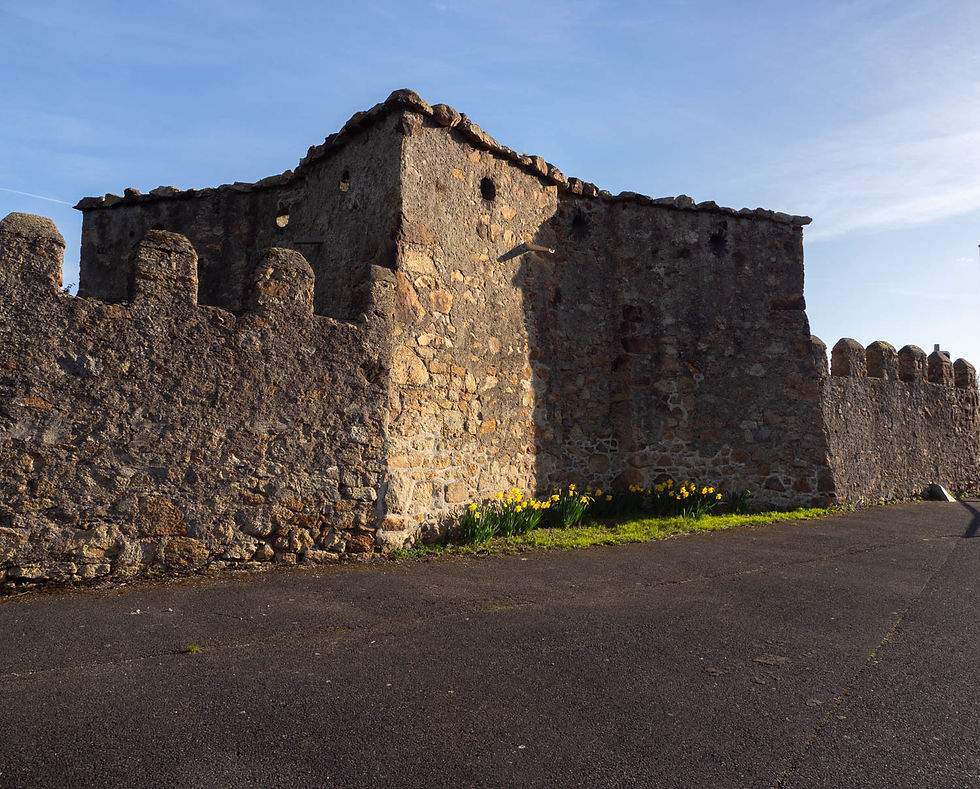
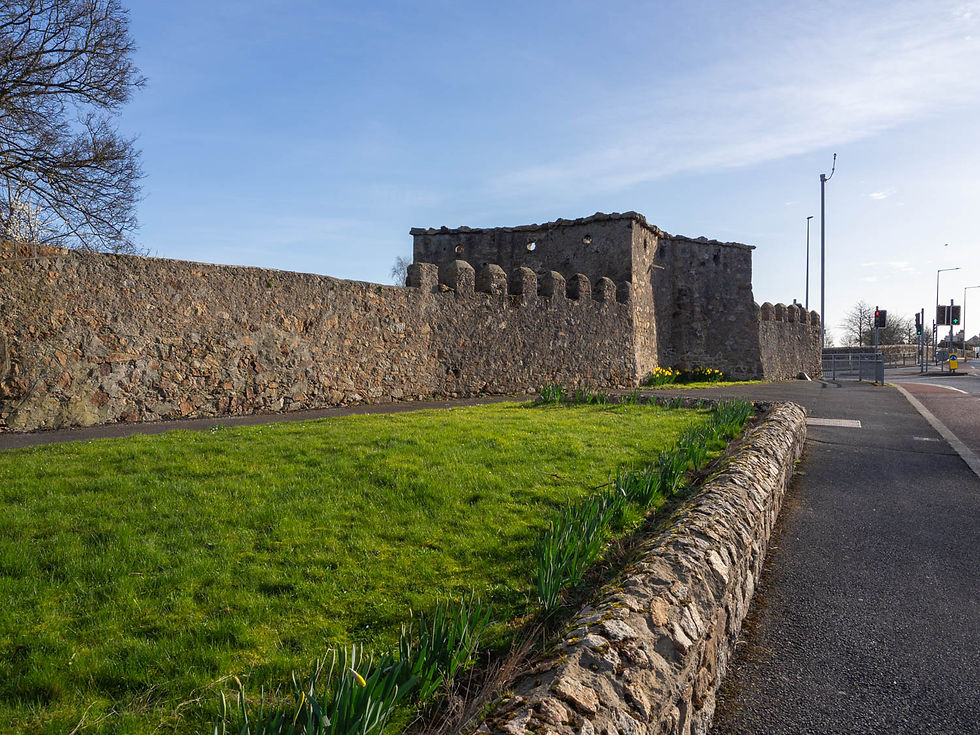
St. Enda’s Park is a designated National Historic Park. There are many eighteenth and nineteenth century follies to be found on these attractive grounds, where a wild river valley and forested areas, as well as ancient trees and an abundance of varied wildlife, provide the backdrop to the historic mansion.
Through this collection of images I attempt to capture the historical essence of St. Enda's Park.






Comments